The foundation after exercise
Recovery needs rest and nutrition
After physical exertion, your body replenishes its reserves, repairs stressed structures, and restores its resilience. This regeneration requires not only time, but also an appropriate supply of energy, fluids, and nutrients.
Minerals have specific roles in this. Magnesium contributes to electrolyte balance. Together with calcium, it supports normal muscle function; magnesium, calcium, and phosphorus contribute to a normal energy-yielding metabolism.
Supplement the intake of these minerals. Their contribution lies in the body functions they support and upon which an active body relies.
The role of minerals
What minerals do for your body
Electrolyte balance
Electrolytes are charged particles. They are involved in fluid distribution and electrical processes in nerves and muscles. Magnesium contributes to electrolyte balance.
For your intake, this means: In addition to the amount you drink, the supply of electrolytes also plays a role. Which ones are particularly relevant depends on the context.
Muscle function
For muscles to be able to respond to signals, several minerals must work together. Magnesium influences, among other things, the transmission of nerve impulses and the transport of other mineral ions.
Magnesium and calcium contribute to normal muscle function. An adequate intake is therefore part of the care for stressed muscles.
Energy metabolism
Even after training, energy-dependent processes continue. Minerals do not provide calories themselves, but they perform tasks in the processing and utilization of energy.
Magnesium, calcium, and phosphorus contribute to a normal energy-yielding metabolism. That is why we view them in the context of recovery, not just when preparing for the next training session.
From exercise to nutrition
Different activities, different demands
Monitor fluid intake and losses.
Through sweat, your body primarily loses water, sodium, and chloride. During long, strenuous exercise, replacing these is important. Your hydration strategy and general mineral intake serve different functions in this regard.
Keep an eye on the total intake
With frequent training or a restricted food selection, it is worth taking a closer look at your nutrient intake. The decisive factor is whether your diet meets your individual needs.
Sweat loss does not affect minerals to the same extent. The body loses comparatively small amounts of magnesium through sweat. Its importance lies primarily in its diverse metabolic functions.
Where FINXFUL Basic comes in
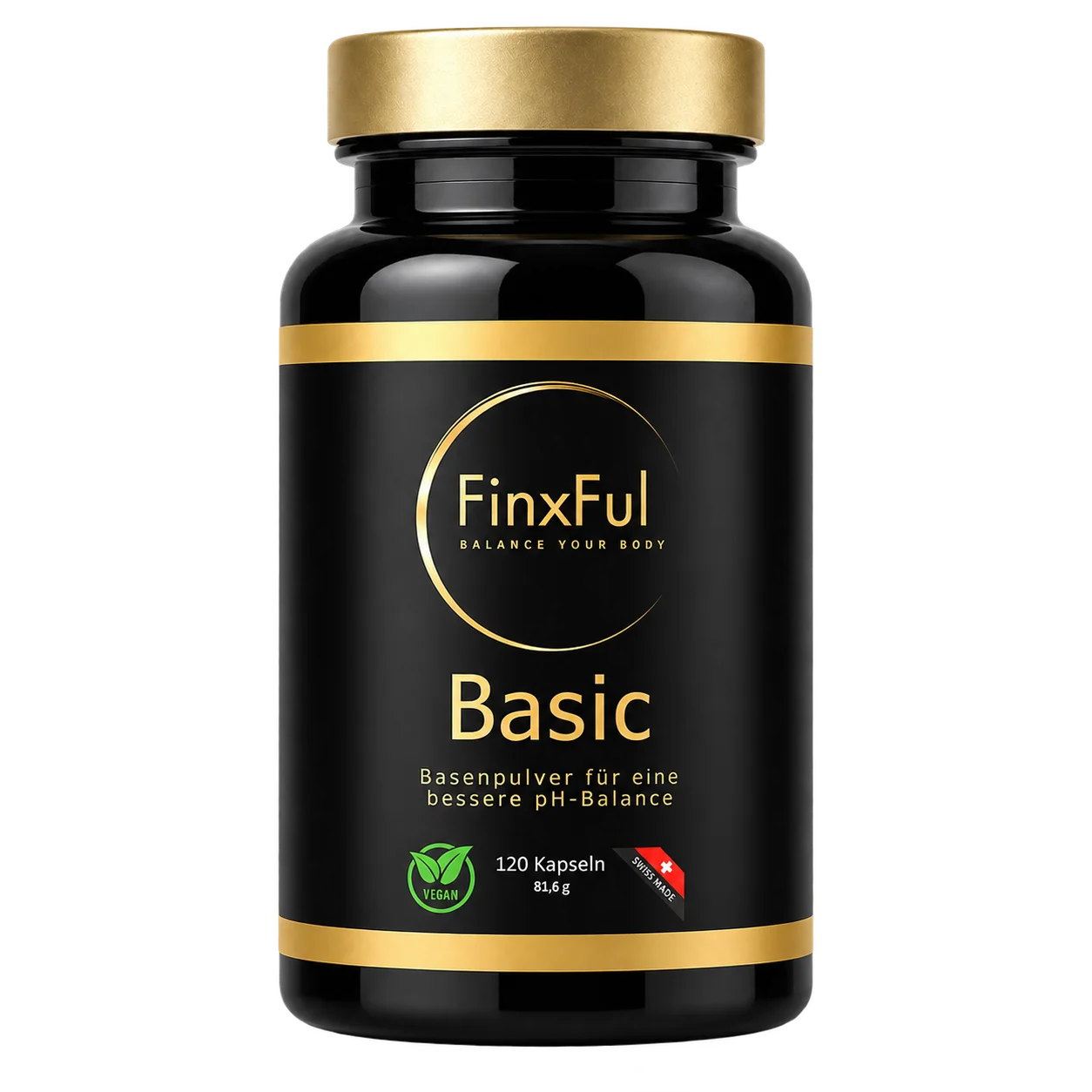
FINXFUL Basic supplements the intake of magnesium, calcium, and phosphorus. For an informed choice, you can find the specific amounts per daily serving on the product page.
View the mineral combinationWhy this counts for progress
Nutrition supports adaptation
Training provides the stimulus. In the time that follows, your body responds to it. Through repeated training cycles, this can result in increased strength, muscle mass, or endurance.
Minerals are among the prerequisites for functioning bodily processes. Protein provides building blocks, carbohydrates help replenish energy stores, and sleep and breaks provide room for recovery. These tasks complement one another.
To meet your mineral requirements, it is essential to consume an adequate intake. Consuming more than needed does not automatically lead to more training progress.
Answered briefly
Frequently Asked Questions
How long does recovery take?
There is no fixed duration for every type of exertion. A light run is demanding in a different way than an unfamiliar, intensive strength training session. When planning, take factors such as fatigue, muscle soreness, sleep, and your performance levels into account.
Are minerals only important immediately after training?
No. Their functions are not limited to a short window of time after exercise. Focus on your intake throughout the entire day and follow the recommended dosage if you choose to take a supplement.
Why does FINXFUL Basic combine several minerals?
Magnesium, calcium, and phosphorus perform different, sometimes overlapping functions. Their combination complements their intake; their respective functions and quantities are more important than the number of ingredients alone.
Where can I find the recommended dosage?
The recommended intake for FINXFUL Basic can be found on the product page and the current label. Take the capsules according to this recommendation with sufficient liquid.
Sources & Background
- Minerals and Vitamins in Sports German Nutrition Society
- Functions and supply of magnesium German Nutrition Society
- Fluid management in sports German Nutrition Society
- Training, recovery and adaptation Australian Institute of Sport
- Protein intake in sports German Nutrition Society
- Carbohydrates in sports nutrition German Nutrition Society
- Nutrient-related health claims EU Regulation 432/2012, observe conditions of use